Sealcoating
A thin sealant layer that pushes back against the sun, the rain, and the slow chemistry that turns smooth asphalt into a brittle, gray patchwork of cracks.
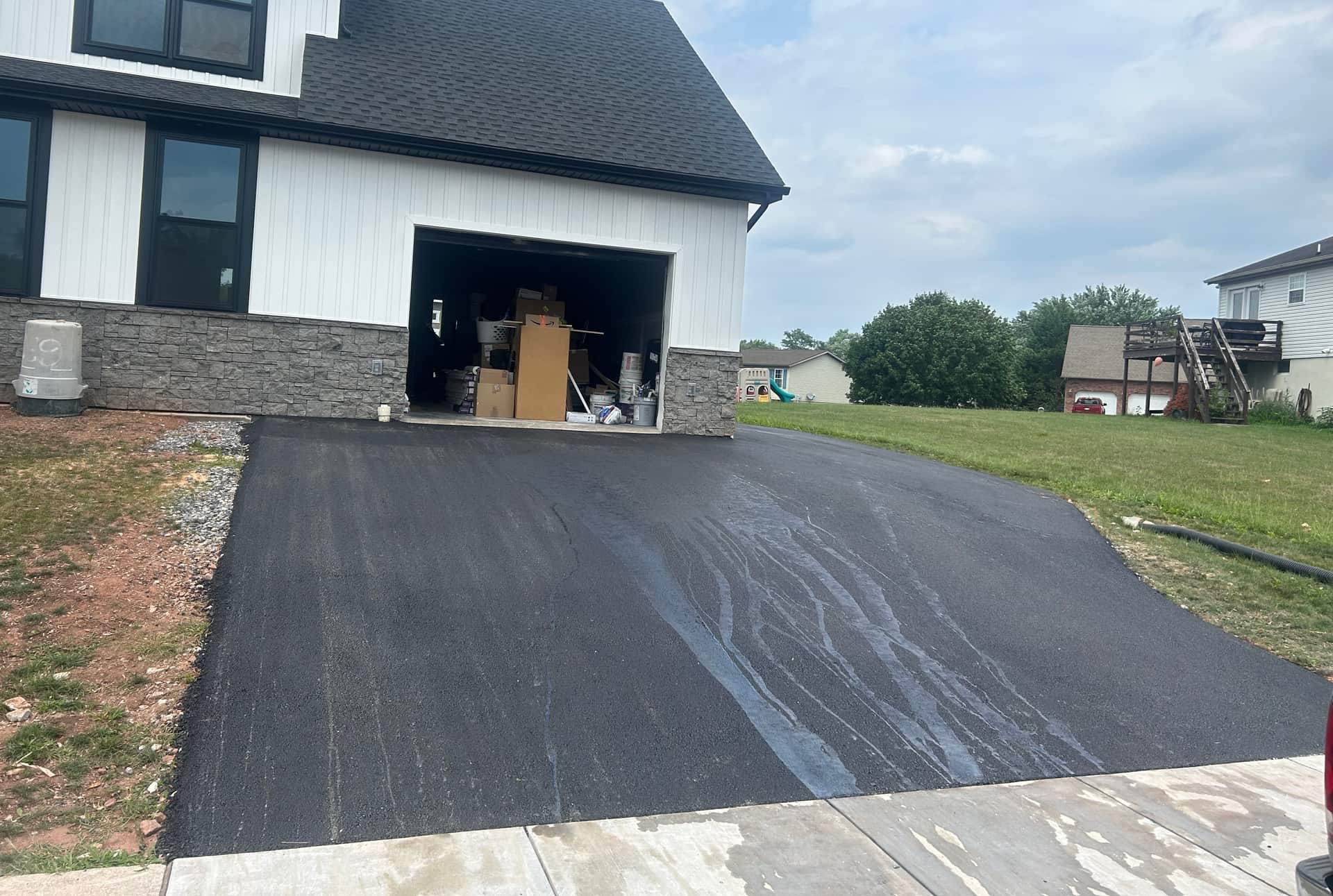
Asphalt is essentially rock held together by a petroleum binder. The sun, the rain, fuel drips, and the freeze-cool nights of January slowly break that binder down, and once it's gone the surface starts shedding small stones, opening hairline cracks, and turning from black to that tired gray you see on twenty-year-old lots. A fresh sealcoat lays a thin protective film over all of that and resets the clock.
We use commercial-grade emulsion or coal tar sealer, mixed and applied at the spec rate the manufacturer actually recommends. No diluting, no spraying-and-go. The surface gets cleaned, the cracks get filled, the oil spots get primed so they don't bleed through, and the sealant goes down in one or two coats depending on what your surface needs.
What the job covers
- Walk-around and condition check before we quote anything
- Power blowing and washing to clear sand, leaves, and grit
- Hot-pour or cold crack fill on hairlines and small openings
- Oil spot priming so old grease stains don't bleed back through
- Edge cut-in by hand around curbs, drains, and structures
- Single or double application of commercial-grade sealer
- Cones, caution tape, and clear cure-time directions
- Optional restripe a day or two after the sealer cures
For most driveways, sealing every three or four years keeps the surface looking fresh and adds real years to its life. Busy commercial lots usually want it every two. We can get on a schedule with you so it just happens, instead of you having to remember when it's been too long.
Why Hire Us
Three reasons our sealcoats actually last
Sealer mixed at the real rate
A lot of crews thin the product to stretch it across more square footage. We don't. You get the manufacturer-spec mix, every time, on every job.
Prep takes longer than the spray
Cleaning, crack filling, and oil priming is where most jobs are won or lost. Cut corners on prep and the sealer peels in six months. We don't cut them.
Cheapest line item on your maintenance plan
A sealcoat costs a tiny fraction of a repave and adds years to the surface. Skipping it is the most expensive thing you can do to your asphalt.
Common Questions
Seal coating FAQ
Want us to come look at your surface?
A quick call or note is enough to get us out there. We'll walk it with you, talk through whether it really needs a coat right now, and put a real number to it for free.